Recent developments in digital art have been dominated by growing tension between artists and artificial intelligence. Governments and institutions are beginning to respond to mounting concerns about copyright, ownership, and ethical use. For example, policymakers in the United Kingdom are now considering new rules that would require clear labeling of AI-generated content and give artists more control over how their work is used online. At the same time, major legal decisions in the United States have reinforced the idea that art must have human authorship to qualify for copyright protection, dealing a significant blow to those darn AI-generated works should be treated the same as human creations. These developments highlight a shifting legal landscape that increasingly prioritizes human creativity over machine-generated output.
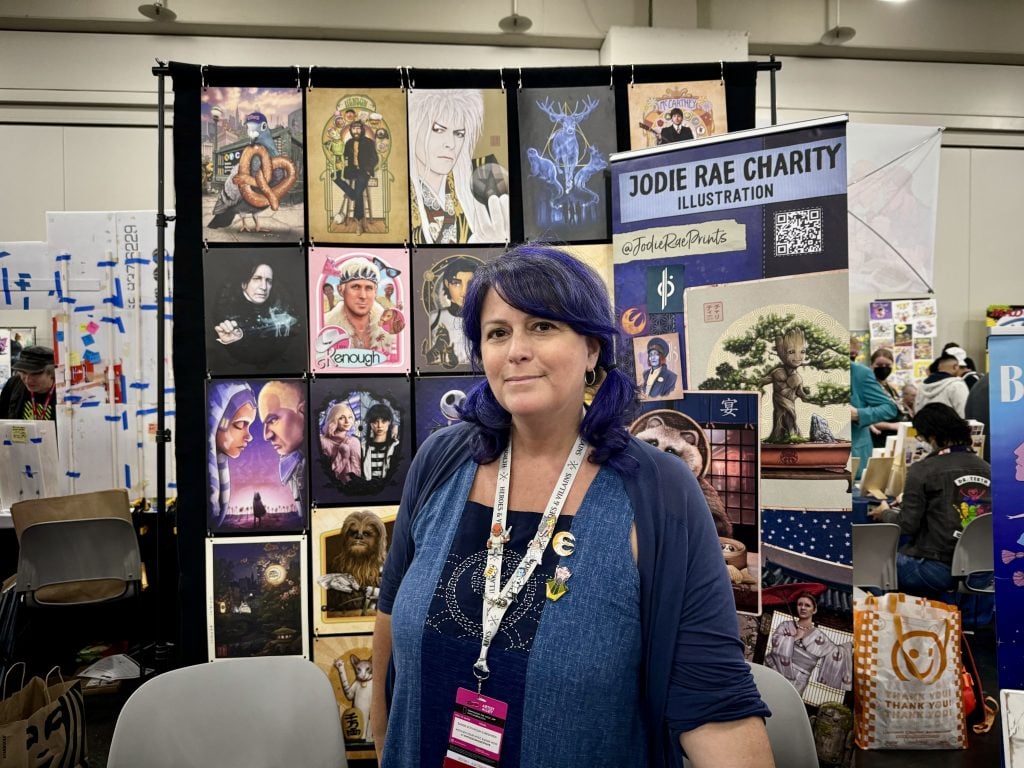
Meanwhile, the cultural response from the art world has been just as strong. Major events like San Diego Comic-Con have banned AI-generated artwork from exhibitions following backlash from artists who argue that such tools undermine original creators. Many artists report real economic impacts, including lost commissions and reduced demand for handmade work as AI-generated images become more widespread. Across the industry, debates continue over whether AI should be seen as a creative partner or a disruptive force, but one thing is clear: the future of digital art will depend on how well technology can coexist with—and support—the human artists at its core.